Alignment to Standards for AZ
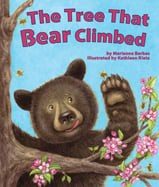
| Grade | Number | Standard |
|---|---|---|
| 1 | PO 1 | Identify evidence that the Sun is the natural source of heat and light on the Earth (e.g., warm surfaces, shadows, shade). |
| 1 | PO 2 | Compare the habitats (e.g., desert, forest, prairie, water, underground) in which plants and animals live. |
| 1 | PO 2 | Compare the following observable features of living things: movement _ legs, wings, protection _ skin, feathers, tree bark, respiration _ lungs, gills, support _ plant stems, tree trunks, |
| 1 | PO 3 | Describe how plants and animals within a habitat are dependent on each other. |
| 1 | PO 3 | Identify observable similarities and differences (e.g., number of legs, body coverings, size) between/among different groups of animals. |
| 3 | PO 1 | Describe the function of the following plant structures: roots _ absorb nutrients, stems _ provide support, leaves _ synthesize food, flowers _attract pollinators and produce seeds for reproduction |
| 4 | PO 1 | Compare structures in plants (e.g., roots, stems, leaves, flowers) and animals (e.g., muscles, bones, nerves) that serve different functions in growth and survival. |
| K | PO 2 | Identify that plants and animals need the following to grow and survive: food, water, air, space, |
